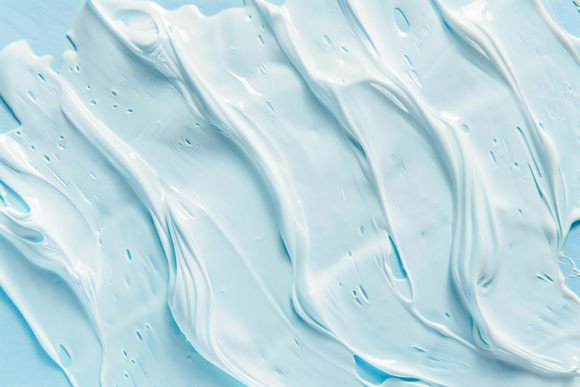
Cream Moisturizer Texture is Waves: Visual & Tactile Guide
When we describe a cream moisturizer texture as waves, we are rarely talking about the product’s chemical efficacy in isolation. Instead, this specific terminology bridges the gap between sensory experience, visual marketing, and formulation stability. For professionals in skincare development, content creation, and digital marketing, understanding this concept is crucial. It represents a distinct rheological behavior where the product holds soft, undulating peaks rather than stiff mounds or flat surfaces. This wave-like structure signals a specific balance of viscosity and elasticity that consumers instinctively associate with hydration, luxury, and ease of application.
The "wave" texture is not merely an aesthetic choice; it is a functional indicator of how the emulsion will perform on the skin. In both physical product testing and digital asset creation, recognizing and replicating this texture communicates value instantly. Whether you are formulating a new line, photographing a hero product, or designing packaging that implies a specific feel, mastering the nuances of wavy cream textures elevates the perceived quality of the brand.
Defining the Wavy Rheology in Skincare Formulations
In cosmetic chemistry, texture is governed by rheology—the study of flow and deformation. A cream moisturizer texture that forms waves typically exhibits thixotropic or shear-thinning properties with high yield stress. This means the product is solid enough to hold a shape at rest but fluid enough to spread without dragging. The "wave" formation occurs when the internal structure of the emulsion supports itself against gravity just enough to create soft ridges before slowly relaxing.
This differs significantly from other common textures:
- Stiff Peaks: Often indicate high wax content or over-stabilization, which can feel heavy or waxy on the skin.
- Flat/Glossy Surface: Suggests lower viscosity or higher oil content, potentially signaling a greasier finish.
- Wavy/Undulating: Represents the sweet spot of air incorporation and emulsifier balance, suggesting a lightweight yet substantive barrier repair.
For formulators, achieving this specific wave pattern requires precise control over the cooling phase and mixing speed. It is often the result of liquid crystalline gel networks that mimic the skin’s natural lipid barrier. When a consumer scoops the product and sees those gentle waves settle back into the jar, they receive immediate tactile feedback that the product is aerated, fresh, and sophisticated.
Visual Communication and Digital Asset Strategy
For marketers, photographers, and 3D artists, the phrase "cream moisturizer texture is waves" serves as a critical creative brief. In an era where e-commerce relies entirely on visual translation of touch, static images must convey movement and softness. A flat, perfectly smooth surface often looks synthetic or plastic in photography. Conversely, a wavy texture catches light dynamically, creating highlights and shadows that imply volume and richness.
When directing a shoot or rendering a 3D visualization, focus on these practical applications:
- Lighting Angles: Use raking light (side lighting) to accentuate the peaks and valleys of the wave. Flat frontal lighting destroys the perception of texture.
- Tool Selection: The instrument used to create the wave matters. A metal spatula creates sharp, clinical waves, while a glass rod or silicone tool produces softer, more organic undulations that align with "clean beauty" aesthetics.
- Macro Videography: Slow-motion footage of the texture settling captures the viscoelastic nature of the product. This is particularly effective for social media ads where users scroll quickly and need instant sensory cues.
Digital creators should note that AI image generators often struggle with accurate cream physics. Prompting specifically for "soft undulating waves" rather than generic "cream texture" helps avoid the melted-ice-cream look that plagues synthetic skincare imagery. Authenticity in visual texture builds trust; if the digital representation looks too perfect or physically impossible, savvy consumers may question the product's reality.
Consumer Psychology and Sensory Expectations
Texture is the first point of truth for a user. Before active ingredients have time to work, the sensory experience dictates whether a product feels "expensive" or "effective." The wavy texture leverages specific psychological associations that benefit brands targeting the 20–50 demographic.
Aeration equals absorption. Modern consumers, particularly those with combination or oily skin, fear heaviness. A dense, flat cream signals occlusion and potential clogging. A wavy texture visually suggests that air has been incorporated, implying a whipped, breathable formula. Even if the density is identical to a flat cream, the wave structure primes the brain to expect faster absorption and a lighter finish.
Furthermore, this texture bridges generational preferences. Gen Z and younger Millennials often prefer gel-creams and lightweight lotions, while Gen X and older Millennials seek richer barrier support. The wavy cream occupies a middle ground: it possesses the visual lightness of a gel-cream with the structural integrity of a traditional moisturizer. This makes it an ideal texture for multi-generational product lines or mass-prestige positioning.
Practical Considerations for Implementation
Whether you are selecting a contract manufacturer, evaluating a competitor, or creating content, there are logistical factors to consider regarding wavy textures. Stability is paramount. A beautiful wave in the lab can collapse during shipping or temperature fluctuations. If you are launching a product with this signature texture, accelerated stability testing must include visual assessments of texture retention, not just microbial or pH checks.
Packaging interaction also plays a role. Wide-mouth jars showcase wavy textures best, allowing the user to see the surface upon opening. Tubes and pumps hide this visual cue entirely. If your selling point is the luxurious, wave-like consistency, the packaging must facilitate that reveal. Airless pumps, while hygienic, often destroy delicate wave structures upon dispensing. In such cases, the "wave" must be communicated through external visuals and copy rather than the dispensed product itself.
For educators and reviewers, describing this texture accurately adds credibility. Avoid generic terms like "creamy" or "rich." Instead, use descriptive language that ties the visual wave to the user benefit: "The formula settles in soft waves, indicating a whipped structure that melts upon contact," or "Visually aerated with a undulating surface that promises non-greasy hydration." This specificity helps audiences understand why the texture matters beyond mere aesthetics.
Evaluating Quality Through Texture Analysis
Not all waves are created equal. When assessing a cream moisturizer where texture is waves, look for uniformity and resilience. High-quality formulations exhibit consistent wave patterns across the entire surface. Graininess, separation, or shiny pools within the waves indicate emulsion instability or improper homogenization.
In professional settings, texture analyzers can quantify this subjective quality. Parameters like firmness, cohesiveness, and stringiness provide data points that correlate to the visual wave. However, for most business owners and creators, the human element remains superior. Train your team to recognize the difference between a "healthy wave" (elastic, matte-to-satin finish, uniform color) and a "broken wave" (oily sheen, jagged edges, syneresis). This discernment ensures that whether you are manufacturing, marketing, or reviewing, the standard of excellence remains consistent.
Ultimately, treating cream moisturizer texture as waves transforms a basic physical attribute into a strategic asset. It aligns formulation science with visual storytelling and consumer psychology. By respecting the technical requirements and leveraging the communicative power of this texture, professionals can create products and content that resonate deeply with an audience seeking both efficacy and sensory delight.