Evaluating Watercolor Halloween Ghost Clipart PNG: A Practical Guide for Designers and Crafters
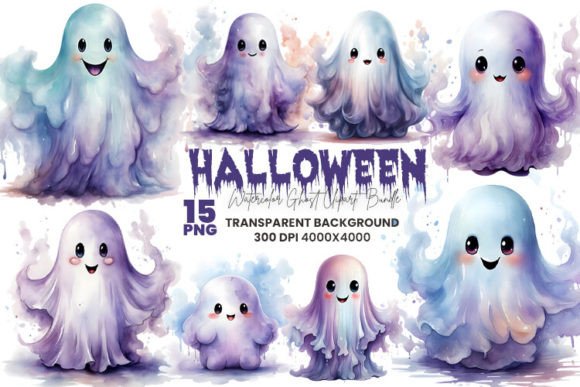
When sourcing visual assets for autumn projects, the specific choice of Watercolor Halloween Ghost Clipart PNG represents a distinct intersection of artistic style and technical utility. Unlike standard vector graphics or flat digital illustrations, watercolor clipart brings an organic, hand-painted texture that evokes nostalgia and artisanal quality. For adults managing design projects, print-on-demand businesses, or personal crafting endeavors, understanding the nuances of this specific asset type is essential for achieving professional results. The decision to use watercolor ghosts over other styles involves evaluating resolution requirements, background transparency, licensing terms, and aesthetic compatibility with your broader project theme.
Defining the Asset: Texture, Transparency, and Format
At its core, Watercolor Halloween Ghost Clipart PNG refers to digital images created using traditional or simulated watercolor techniques, saved in the Portable Network Graphics format. The defining characteristic of this file type is the alpha channel, which supports true transparency. This distinguishes it from JPEGs, which force a solid white or colored background box around the subject. For designers layering ghost imagery over textured paper backgrounds, dark fabrics, or complex patterns, the PNG format is non-negotiable.
However, not all watercolor PNGs are created equal. High-quality assets retain the subtle grain of cold-press paper and the natural bleeding of pigment at the edges. Lower-quality alternatives often appear as flat vectors with a noise filter applied, lacking the depth and luminosity of genuine watercolor media. When evaluating these resources, zoom in to 100% to inspect edge fidelity. Authentic watercolor scans will show irregular, soft transitions where the paint meets the transparent background, whereas digital imitations may exhibit pixelation or harsh, artificial halos. This distinction directly impacts the perceived value of the final product, particularly in commercial applications like greeting cards or apparel.
Comparing Watercolor Ghosts to Alternative Illustration Styles
Selecting the right visual style requires comparing watercolor against other prevalent Halloween aesthetics. Each style serves different functional and emotional purposes.
- Vector Graphics: Vectors are infinitely scalable and ideal for large-format signage or logos. However, they often lack the warmth and imperfection of watercolor. If your project requires a modern, corporate, or highly graphic look, vectors are superior. Choose Watercolor Halloween Ghost Clipart PNG when the goal is intimacy, tradition, or a handmade feel.
- Vintage Engravings: Public domain etchings offer a historical, gothic atmosphere. While excellent for Victorian-themed events, they can feel too severe for family-friendly activities. Watercolor ghosts bridge the gap between spooky and cute, offering versatility that engravings cannot match.
- AI-Generated Imagery: Generative AI can produce endless variations of ghostly figures instantly. The tradeoff lies in consistency and editability. AI images often struggle with coherent anatomy or consistent lighting across a set. Curated watercolor clipart packs usually offer stylistic uniformity, ensuring that a ghost holding a pumpkin matches the ghost holding a broomstick in color palette and brushwork.
- Flat Digital Art: Clean lines and solid colors work well for web interfaces and app icons. Yet, for physical products like mugs, tea towels, or scrapbooking, flat art can appear sterile. Watercolor adds tactile visual interest that translates better to physical substrates.
Technical Tradeoffs: Resolution and Color Management
A critical limitation of raster-based Watercolor Halloween Ghost Clipart PNG is resolution dependence. Unlike vectors, these files have a fixed pixel dimension. For print projects requiring 300 DPI (dots per inch), a 4-inch wide ghost image must be at least 1200 pixels wide. Many budget marketplaces sell low-resolution files suitable only for web use. Always verify pixel dimensions before purchase; "high resolution" is a marketing term, while "3000x3000px at 300 DPI" is a verifiable specification.
Color management presents another consideration. Watercolor relies on translucency and light passing through pigment. Screens display color via additive RGB light, while printers use subtractive CMYK ink. Vibrant neon greens or glowing purples seen on-screen may print as muddy or dull tones. Professional-grade clipart providers often include CMYK-optimized versions or ICC profiles to mitigate this shift. If you are producing merchandise, requesting a test print is advisable to ensure the ethereal quality of the watercolor survives the conversion process.
Evaluating Licensing and Commercial Viability
For entrepreneurs and small business owners, the legal framework surrounding Watercolor Halloween Ghost Clipart PNG is as important as the aesthetic. Licensing models vary significantly and dictate how the asset can be monetized.
- Personal Use Only: Suitable for home decor, classroom activities, or private invitations. These licenses are typically inexpensive or free but prohibit any revenue-generating activity.
- Commercial End Product License: Allows the clipart to be incorporated into a new, flattened design (e.g., a printed t-shirt or PDF invitation). The key restriction is that the ghost image itself cannot be resold as a standalone digital file.
- Digital Kit/Template License: Required if you are selling editable Canva templates or digital planner stickers where the end user can manipulate the ghost element independently. This license tier is usually more expensive due to the higher risk of asset redistribution.
- Extended/POD License: Necessary for high-volume print-on-demand sales or mass manufacturing. Standard commercial licenses often cap sales at 500 or 1,000 units; exceeding this requires an upgrade.
Readers must scrutinize the "flattened" requirement. Most licensors prohibit selling unaltered clipart. To add value and comply with terms, combine the watercolor ghost with typography, borders, or other elements to create a unique derivative work. This not only satisfies legal obligations but also differentiates your product in a saturated marketplace.
Best-Fit Scenarios and Decision Matrix
Determining whether Watercolor Halloween Ghost Clipart PNG is the optimal choice depends on specific project parameters. Use the following guidelines to assess fit.
When Watercolor PNG is the Right Choice
- Stationery and Paper Goods: The texture complements cardstock, linen paper, and kraft materials naturally.
- Nursery and Children’s Apparel: Soft edges and pastel or muted palettes avoid being frightening, making them appropriate for younger demographics.
- Hybrid Crafting: Projects combining digital printing with hand-finishing (e.g., foil stamping over printed ghosts) benefit from the organic guide lines of watercolor.
- Social Media Content: The intricate details stand out in Instagram carousels or Pinterest pins where users scroll quickly and respond to textural richness.
When to Consider Alternatives
- Large Scale Banners: Unless you source exceptionally high-res scans (6000px+), watercolor will pixelate on vinyl banners. Vector or high-res photography is safer.
- Minimalist Tech Branding: If your brand identity is sleek, futuristic, or strictly geometric, watercolor introduces visual dissonance.
- Rapid Prototyping: If you need to iterate sizes and colors instantly without quality loss, vector formats offer greater workflow efficiency.
- Budget-Constrained Bulk Printing: Watercolor’s subtle gradients require higher quality printing settings to avoid banding. Solid-color graphics are cheaper to reproduce on newsprint or low-grade paper.
Practical Tips for Integration and Editing
Maximizing the utility of Watercolor Halloween Ghost Clipart PNG often requires post-processing. Because watercolor is inherently semi-transparent, placing these images on dark backgrounds can sometimes cause the lighter washes to disappear. Experienced designers address this by adding a subtle outer glow or a white underlay layer in software like Photoshop or Procreate. This preserves the delicate details against black or navy fabrics without creating a harsh cutout effect.
Additionally, consider building a cohesive library rather than purchasing isolated images. Consistency in brush stroke weight, color saturation, and paper texture creates a professional collection. Mixing clipart from multiple artists often results in a disjointed aesthetic. Many creators offer bundled sets specifically designed to work together, providing better long-term value than individual purchases. When organizing your asset library, tag files with descriptive metadata (e.g., "ghost-vintage-blue-wash-300dpi") to streamline future retrieval.
Ultimately, the selection of watercolor ghost clipart should be driven by the intended emotional response and technical constraints of the project. By weighing the organic appeal against resolution limits and licensing requirements, designers can make informed choices that elevate their Halloween creations beyond generic seasonal decor. Whether for commercial merchandise or personal expression, understanding these distinctions ensures the final output resonates with authenticity and quality.