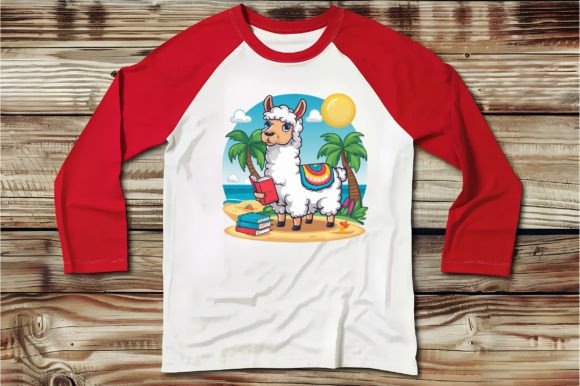
Integrating Funny PNG Clipart into Professional Creative Workflows
In the landscape of digital content creation, visual assets often serve as the bridge between technical information and human engagement. While high-resolution photography and complex vector illustrations dominate corporate branding, there is a distinct operational niche for humorous graphical elements. Funny PNG clipart is not merely a decorative afterthought; it is a functional asset class that serves specific psychological and communicative purposes within professional workflows. For marketers, educators, entrepreneurs, and creators, understanding how to source, manage, and deploy these assets effectively can streamline production times while enhancing audience retention.
The transparency inherent in the PNG format makes these assets uniquely suited for layered design work. Unlike JPEGs with solid backgrounds that require tedious masking, or SVGs that may lack raster texture, transparent PNGs drop seamlessly into existing layouts. When the subject matter is humor, this technical convenience combines with emotional utility. The result is a versatile tool for breaking up dense text, softening corporate messaging, or adding personality to educational materials without disrupting the overall design system.
Strategic Asset Selection and Pre-Production Planning
Effective use of humorous graphics begins long before the design phase. During the planning stage of a project, whether it is a slide deck, a blog post, or a social media campaign, creators must define the tonal boundaries. Humor is subjective and contextual. A funny illustration appropriate for an internal team newsletter might be disastrous in a client-facing quarterly report. Establishing these parameters early prevents wasted time searching for assets that ultimately fail compliance or brand safety checks.
When sourcing funny PNG clipart, professionals should prioritize consistency over novelty. A common workflow error is mixing disparate artistic styles—combining hand-drawn doodles with polished 3D renders in the same document. This creates visual friction that undermines professionalism. Instead, curate a specific collection or stick to a single artist’s portfolio for a given project. This ensures that line weights, color palettes, and shading techniques remain cohesive. Many asset libraries now offer bundled packs specifically designed for this purpose, allowing teams to maintain visual continuity across multiple deliverables.
Licensing verification is another critical pre-production step. Just because an image is labeled "funny" or found via a search engine does not mean it is cleared for commercial use. Professionals must verify attribution requirements and usage rights before downloading. Integrating license tracking into your asset management spreadsheet or digital asset management (DAM) system at the point of acquisition saves significant legal and administrative headaches later. Documenting the source URL and license type immediately upon download creates an audit trail that protects both freelancers and organizations.
Technical Integration Across Design Platforms
Once assets are acquired and vetted, the focus shifts to technical implementation. The primary advantage of funny PNG clipart in modern workflows is its interoperability. These files function natively across virtually all design ecosystems, from Adobe Creative Cloud and Affinity Designer to web-based tools like Canva and Figma. However, optimization is key. Raw PNG files can sometimes carry unnecessary metadata or excessive resolution that bloats file sizes, particularly for web projects.
For web designers and bloggers, integrating these assets requires a balance between quality and performance. Using tools to compress PNGs without losing transparency data is a standard best practice. Furthermore, consider the display context. A clipart element intended for a presentation slide viewed on a projector needs different contrast ratios than one destined for a mobile email newsletter. Testing assets in their final output environment during the draft phase ensures the humor lands visually and technically.
In video production and motion graphics, static funny PNG clipart serves as a foundational layer for animation. Rather than commissioning expensive custom animations, editors can use keyframes to add subtle movement—bounces, slides, or opacity fades—to static transparent images. This hybrid approach allows for high-engagement visuals at a fraction of the cost and time of full character animation. The transparent background eliminates rotoscoping, making these assets instantly ready for overlay on B-roll or animated typography.
Enhancing Communication and Cognitive Load Management
Beyond aesthetics, funny PNG clipart plays a measurable role in information architecture. In instructional design and corporate training, cognitive load theory suggests that learners disengage when presented with unbroken walls of text or overly sterile diagrams. Strategic placement of humorous visuals acts as a cognitive reset button. It provides a micro-pause that allows the brain to process preceding information before moving to the next concept.
This application extends to user experience (UX) design. Empty states, error pages, and loading screens are traditionally frustrating touchpoints. Replacing generic system icons with relevant, lighthearted PNG illustrations transforms negative friction points into moments of brand connection. For SaaS companies and app developers, this is a low-effort, high-impact retention strategy. The asset here functions as emotional UX, mitigating user frustration through visual empathy. When implementing this, ensure the humor relates to the specific error or state; generic jokes can feel dismissive of actual user problems.
For content marketers and bloggers, these assets improve scroll depth and readability. Large blocks of copy cause reader fatigue. Inserting a relevant, amusing graphic every 300 to 500 words breaks the visual rhythm and encourages continued reading. Unlike stock photos which can feel impersonal, illustrated humor often feels bespoke and conversational. This aligns with current SEO preferences for helpful, people-first content that demonstrates personality and expertise rather than robotic keyword stuffing.
Asset Management and Long-Term Workflow Efficiency
Sustainability in creative workflows depends on organization. As collections of funny PNG clipart grow, ad-hoc storage methods like desktop folders or scattered cloud drives become liabilities. Implementing a standardized naming convention is essential. Tags should include descriptors beyond just "funny," incorporating keywords like "office," "celebration," "confusion," or "tech" to facilitate rapid retrieval. Metadata embedding within the PNG file itself ensures that searchability persists even if the file is moved outside the DAM system.
Creating a curated internal library also addresses brand safety and efficiency. Marketing teams and agencies benefit from maintaining a pre-approved repository of humorous assets that have already been vetted for tone and licensing. This reduces the approval bottleneck for junior designers and social media managers who need quick assets for timely posts. By front-loading the curation process, organizations empower faster execution without sacrificing quality control.
Version control matters when adapting assets for different platforms. A master high-resolution PNG might be cropped or recolored for Instagram, then resized for an email header. Maintaining a link to the original source file or keeping non-destructive edit files prevents quality degradation over time. For teams collaborating remotely, centralized libraries with version history prevent the circulation of outdated or incorrect assets, ensuring that everyone is working from the same approved visual vocabulary.
Evaluating Impact and Iterating Visual Strategy
The integration of humor should be treated as a variable to be tested, not a fixed constant. Analytics provide feedback loops for visual strategy. In email marketing, A/B testing subject lines is common, but testing hero images featuring funny PNG clipart versus traditional photography can yield insights into audience preference. Click-through rates and engagement metrics reveal whether the humorous approach resonates or distracts.
Feedback mechanisms extend to internal communications as well. Employee surveys regarding training materials or internal newsletters can indicate if visual humor is enhancing culture or missing the mark. What was funny two years ago may now feel dated or insensitive. Regular audits of active asset libraries ensure that the visual tone evolves alongside cultural norms and organizational values. Retiring assets that no longer serve the mission is as important as acquiring new ones.
Ultimately, the value of funny PNG clipart lies in its ability to humanize digital interactions efficiently. It is a pragmatic solution for creators who need to convey warmth, approachability, and personality without the budget or timeline for custom illustration. By treating these assets with the same rigor as any other production element—through careful selection, technical optimization, strategic placement, and organized management—professionals can elevate their work from merely informative to genuinely engaging. The goal is never just to be funny; it is to be effective, memorable, and authentically connected to the audience’s experience.