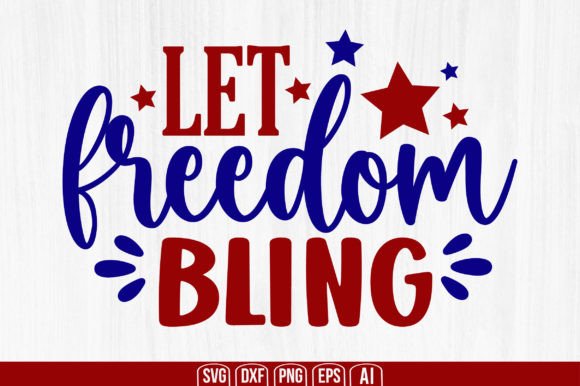
Let Freedom Bling: Understanding the Intersection of Patriotic Expression and Personal Style
In the vast landscape of American cultural expression, few phrases capture the spirit of individual liberty and celebratory aesthetics quite like "Let Freedom Bling." While it may initially sound like a playful marketing slogan or a seasonal hashtag, this concept represents a much deeper intersection between national identity, personal fashion, and the human desire for visible self-expression. For general readers looking to understand this phenomenon, it is essential to move beyond the surface-level glitter and explore how patriotic adornment functions as a modern language of belonging, celebration, and civic pride.
The phrase itself is a linguistic remix, blending the solemnity of "Let freedom ring" with the contemporary, energetic connotation of "bling." This fusion suggests that patriotism is not merely a quiet, internal sentiment but something that can be worn, displayed, and celebrated with vibrancy. Understanding this topic requires examining its roots in history, its relevance in modern commerce and social media, and the practical ways individuals integrate these symbols into their daily lives without losing sight of their deeper meaning.
The Cultural Significance of Patriotic Adornment
To truly grasp the concept of letting freedom bling, one must first understand the historical precedent of wearing national symbols. Throughout history, clothing and accessories have served as non-verbal communication tools. During the American Revolution, homespun cloth was a political statement against British taxation. In the 20th century, flag pins became ubiquitous symbols of solidarity during times of war and national crisis. Today, the evolution into "bling" reflects a shift toward personalization and joy.
This modern iteration serves several key purposes in society:
- Community Building: Wearing patriotic jewelry or apparel acts as a visual signal that fosters instant connection among strangers at parades, sporting events, and community gatherings.
- Celebration of Heritage: For many, these items are tangible links to family history, military service, or immigrant narratives about finding a new home.
- Artistic Expression: Designers use stars, stripes, and red-white-blue palettes as a canvas for creativity, transforming rigid symbols into fluid art forms.
- Civic Engagement: Visible displays of patriotism can serve as conversation starters regarding voting, local issues, and community service.
It is important to note that this form of expression is distinct from mandatory uniformity. The "bling" aspect implies choice. It is an active decision to adorn oneself, making the statement inherently personal rather than institutional. This distinction is vital for understanding why the trend persists across generations; it allows for reverence and revelry to coexist.
Navigating Modern Life and Digital Identity
In our current era, where digital and physical identities often merge, "Let Freedom Bling" has taken on new dimensions. Social media platforms have amplified the visibility of patriotic fashion, turning local celebrations into global showcases. However, this also introduces complexity. Readers should understand that online displays are often curated highlights. A sparkling flag necklace in an Instagram post may represent genuine pride, a fashion aesthetic, or a commercial promotion.
For those integrating this style into modern life, context is king. The way one expresses patriotic flair at a Fourth of July barbecue differs significantly from how one might approach a formal civic ceremony or a professional workplace. Understanding these nuances prevents social friction and ensures that the expression remains respectful and appropriate. In professional settings, subtlety often reigns supreme; a lapel pin or a discreet bracelet may convey the same sentiment as a sequined top does at a festival, but with greater adherence to workplace norms.
Practical Relevance: Commerce, Creativity, and Education
The concept extends far beyond personal wardrobes; it influences business strategies, educational approaches, and creative industries. Recognizing these applications helps build a broader understanding of the topic’s ecosystem.
The Business of Celebration
From an economic perspective, the demand for patriotic accessories drives significant seasonal commerce. Small businesses, artisans, and major retailers alike rely on this cyclical interest. For entrepreneurs, understanding "Let Freedom Bling" means recognizing that consumers are buying experiences and identities, not just objects. Successful businesses in this space focus on quality, authenticity, and storytelling. They avoid generic mass production in favor of items that resonate with specific regional or demographic pride.
Furthermore, ethical considerations are increasingly relevant. Consumers are more educated than ever about sourcing and manufacturing. A product that claims to celebrate American freedom carries an implicit expectation of ethical labor practices. Businesses that align their supply chains with their messaging tend to build stronger, longer-lasting trust with their audience.
Educational Opportunities
Educators and parents can leverage this interest as a gateway to deeper learning. When children show interest in sparkly flags or holiday decorations, it presents a natural opening to discuss symbolism, history, and civics. Instead of dismissing the aesthetic as superficial, adults can use it to ask questions:
- What do the colors and symbols actually represent?
- How have these symbols changed over time?
- Why do we feel happy or proud when we see them?
- How do other cultures express similar feelings of national pride?
This approach transforms a fleeting trend into a lasting educational moment, grounding the "bling" in substantive knowledge. It teaches critical thinking alongside appreciation, ensuring that the next generation understands the weight behind the sparkle.
Clarifying Common Misunderstandings
As with any cultural symbol, misconceptions abound. Addressing these is crucial for a balanced understanding.
Misconception 1: Flashiness Equals Superficiality.
A common assumption is that adding glitter or shine to patriotic symbols diminishes their seriousness. However, cultural historians argue that festivity and solemnity are two sides of the same coin. Joy is a valid response to liberty. The aesthetic embellishment does not negate the underlying respect; rather, it updates the tradition for a contemporary sensibility that values individuality.
Misconception 2: It Is Exclusively Political.
While patriotism is inherently linked to governance, "Let Freedom Bling" is often apolitical in practice. For many wearers, it is about cultural heritage, summer nostalgia, or community spirit rather than partisan alignment. Assuming every display is a political endorsement overlooks the vast majority of users who engage with these symbols purely as markers of shared culture and seasonal tradition.
Misconception 3: There Is Only One Way to Participate.
Some believe that authentic expression requires expensive or traditional items. In reality, DIY creations, vintage finds, and minimalist interpretations are equally valid. The core of the concept is the intent of celebration, not the price tag or the adherence to a specific fashion rule.
Building a Broader Understanding
Ultimately, "Let Freedom Bling" is a case study in how societies keep traditions alive through adaptation. Static traditions risk becoming relics; dynamic traditions remain living parts of the cultural fabric. By embracing both the dignity of history and the playfulness of modern design, this phenomenon ensures that national symbols remain accessible to new generations.
For the reader seeking to engage with this topic, whether as a consumer, creator, or observer, the key takeaway is mindfulness. Appreciate the aesthetic, but also seek to understand the history it references. Support creators who treat the symbols with care. Use the visibility of these items as opportunities for connection rather than division. When approached with this level of awareness, letting freedom bling becomes more than a catchphrase—it becomes a meaningful practice of celebrating the complex, vibrant tapestry of shared identity in the modern world.
By viewing this subject through lenses of history, commerce, education, and social dynamics, we move past simple categorization. We begin to see how even the most decorative aspects of our culture carry weight, purpose, and the enduring human need to mark our place within a larger story. This holistic understanding enriches not only our appreciation of the specific trend but also our broader literacy regarding how symbols function in everyday life.