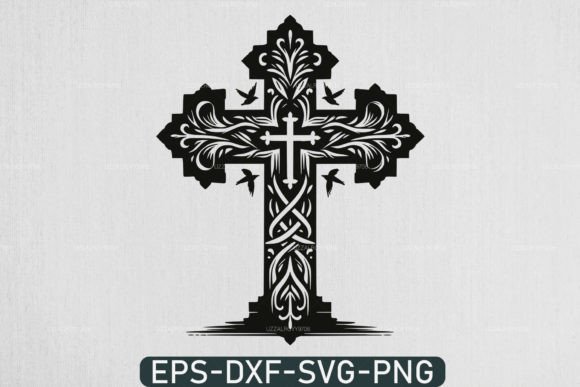
Wooden Cross & Jesus Cross SVG Design Guide
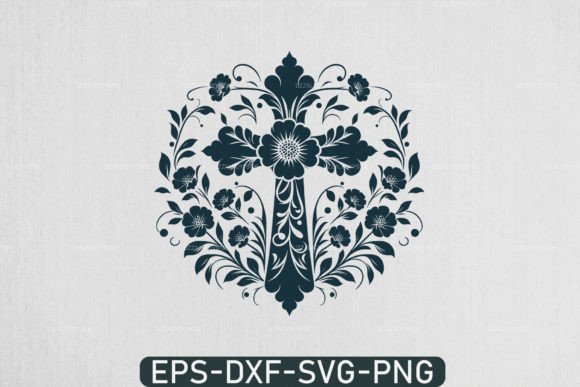
Faith-based crafting and religious merchandise creation rely heavily on precision, scalability, and emotional resonance. When designing for Cricut, Silhouette, or commercial print platforms, the file format dictates the quality of the final product. A high-quality Wooden Cross SVG or Jesus Cross SVG serves as the foundational blueprint for everything from intricate laser-cut wall art to simple vinyl decals. Unlike raster images that pixelate when resized, these vector files maintain crisp edges at any dimension, ensuring that the sacred geometry of the cross remains sharp whether applied to a small prayer card or a large church banner.
For creators and small business owners, understanding the technical and aesthetic nuances of these files is essential. The right SVG does more than just cut cleanly; it communicates reverence and craftsmanship. This guide explores how to select, optimize, and apply these digital assets effectively across various creative and commercial projects.
Technical Characteristics of Quality Faith Vectors
Not all vector files are created equal. When sourcing or designing a Wooden Cross SVG, the internal structure of the file matters as much as the visual appearance. Professional-grade files possess specific attributes that separate them from free, low-quality downloads often found on generic clipart sites.
- Clean Node Structure: Efficient SVGs have minimal anchor points. Excessive nodes can cause cutting machines to stutter or create jagged edges on wood and vinyl. A well-optimized Jesus Cross SVG uses smooth Bezier curves rather than hundreds of tiny straight lines.
- Proper Layering: For multi-color designs or layered wood projects, distinct elements must be separated into individual layers. This allows crafters to assign different materials or colors without manually editing the vector paths in design software.
- Welded vs. Unwelded Elements: High-quality files often provide both options. Welded text and shapes prevent overlapping cut lines, which is crucial for vinyl application. Unwelded versions allow for customization, such as changing a nameplate on a memorial cross.
- Scalability Without Distortion: True vector paths ensure that line weights remain proportional. A common issue with poor conversions is that resizing a 4-inch design to 24 inches results in disproportionately thin lines that may break during cutting or printing.
Practical Applications in Crafting and Manufacturing
The versatility of a Jesus Cross SVG extends far beyond simple decoration. These files act as production assets for diverse manufacturing processes, each requiring specific considerations for success.
Laser Cutting and Engraving
Woodworking is perhaps the most popular application for these vectors. When using a laser cutter like a Glowforge or xTool, the SVG defines both the cut line and the engrave area. A Wooden Cross SVG designed specifically for laser work often includes separate stroke colors for scoring versus cutting. This distinction saves significant production time by allowing the machine to etch detailed textures or scripture before cutting out the silhouette in a single job run. For rustic aesthetics, designers frequently incorporate grain-aligned patterns within the vector to complement natural wood variations.
Vinyl Decals and Heat Transfer
For apparel and signage, simplicity reigns supreme. Intricate details that look beautiful on screen can become weeding nightmares on adhesive vinyl. Successful Jesus Cross SVG files for HTV (Heat Transfer Vinyl) prioritize bold lines and adequate spacing between elements. This ensures durability after washing and prevents peeling. Commercial sellers often use these vectors to create faith-based t-shirts, tote bags, and car decals, where the clean lines of a vector translate directly to professional retail quality.
Digital Design and Print Media
Beyond physical fabrication, these vectors serve critical roles in digital and print communication. Churches and ministries utilize scalable cross graphics for social media templates, sermon series branding, and event flyers. Because SVGs are XML-based, they load instantly on websites and scale perfectly for responsive design, improving user experience and SEO performance compared to heavy PNG alternatives. In print publishing, a vector cross ensures that book covers and devotional journals maintain sharp typography and imagery regardless of trim size.
Evaluating Files for Commercial and Personal Use
Selecting the right asset requires balancing aesthetic preference with practical functionality. Whether you are a hobbyist making gifts or an entrepreneur building a product line, due diligence prevents costly mistakes.
Check Licensing Terms Carefully: This is the most critical step for professionals. Many free Wooden Cross SVG files are restricted to personal use only. Commercial licenses vary significantly; some allow unlimited physical sales, while others cap units or prohibit digital redistribution. Always verify that your intended use case aligns with the designer’s terms to avoid intellectual property disputes.
Test Before Mass Production: Never assume a downloaded file is production-ready. Run a test cut on scrap material to check for stray nodes, open paths, or sizing issues. A Jesus Cross SVG might look perfect in preview mode but could contain hidden artifacts that ruin expensive hardwood or specialty vinyl. Spending five minutes testing saves hours of wasted material and frustration.
Assess Customization Potential: The best files are adaptable. Look for designs where text elements are editable or easily removable. This flexibility allows you to personalize memorial crosses, add congregation names to church signage, or modify scripture references without needing advanced illustration skills. Files that are flattened or outlined limit your ability to tailor the design to specific client needs.
Enhancing Brand Identity Through Sacred Geometry
For faith-based businesses and ministries, consistency builds trust. Using standardized, high-quality vectors across all touchpoints creates a cohesive visual identity. A professionally crafted Jesus Cross SVG becomes more than a graphic; it becomes a recognizable symbol of your brand’s values and quality standards.
Consider developing a proprietary library of cross designs that align with your specific niche. A modern minimalist church will require sleek, geometric vectors, while a traditional Catholic gift shop may need ornate, Celtic-inspired designs. Investing in custom SVG creation or purchasing exclusive commercial licenses ensures your products stand out in a saturated market. This differentiation is key for Etsy sellers and local artisans competing against mass-produced imports.
Furthermore, optimized vectors contribute to operational efficiency. Standardized file formats streamline workflow between design software and production equipment. When your team knows that every Wooden Cross SVG in your library follows consistent layering and naming conventions, setup times decrease and error rates drop. This systematic approach to digital asset management transforms creative chaos into a scalable, professional operation.
Final Considerations for Implementation
Integrating these vectors into your workflow should enhance, not complicate, your creative process. Prioritize sources that offer comprehensive file packages including SVG, DXF, EPS, and PNG formats to ensure compatibility across all your tools. Pay attention to community feedback and reviews, as other users often highlight real-world performance issues that aren’t visible in product thumbnails.
Remember that the technology serves the message. The goal of using a precise Wooden Cross SVG or Jesus Cross SVG is to honor the significance of the symbol through excellence in execution. When technical quality meets spiritual intent, the result resonates deeply with audiences and end-users alike. By approaching these digital assets with professional rigor and thoughtful selection, creators can produce work that is both commercially viable and personally meaningful.