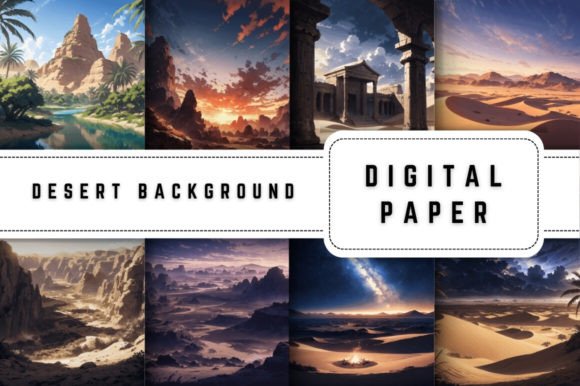
Evaluating Desert Digital Paper for Creative Projects
In the expansive world of digital design assets, niche thematic elements often dictate the success of a project. Among these specialized resources, Desert Digital Paper has emerged as a distinct category for designers, crafters, and content creators seeking specific environmental aesthetics. Unlike generic texture packs, this asset class focuses on replicating the unique visual language of arid landscapes, including sand dunes, cracked earth, sun-bleached stone, and warm atmospheric gradients. Understanding the functional applications and limitations of Desert Digital Paper is essential for professionals and hobbyists aiming to integrate these textures effectively into their workflows without compromising design integrity.
Defining the Asset Category
Desert Digital Paper refers to high-resolution digital files designed to mimic the tactile and visual qualities of desert environments. These are not merely photographs; they are often processed, tiled, or illustrated backgrounds intended for use as foundational layers in graphic design. The category encompasses a wide spectrum of styles, ranging from photorealistic scans of sandstone and cactus flora to stylized, boho-chic vector patterns featuring terracotta palettes and geometric tribal motifs.
Technically, these assets are typically delivered in standard raster formats like JPEG or PNG, though premium collections may include seamless TIFFs or editable vector files. The defining characteristic is the color grading and textural fidelity. Authentic Desert Digital Paper prioritizes warm earth tones—ochre, sienna, sage, and dusty rose—and captures the interplay of harsh light and shadow that defines arid topography. This specificity distinguishes it from general "nature" or "outdoor" digital paper, offering a curated aesthetic that evokes heat, dryness, and organic ruggedness.
Primary Use Cases and Applications
The decision to utilize Desert Digital Paper usually stems from a need to establish a specific mood or thematic consistency. Evaluating whether this asset aligns with your project requires understanding its most effective applications:
- Stationery and Invitation Design: This is perhaps the most common application. Wedding invitations for destination ceremonies in Arizona, Utah, or Morocco frequently rely on these textures to set expectations for guests. The paper provides an immediate sensory cue regarding the event's atmosphere.
- Digital Scrapbooking and Journaling: For memory keepers documenting travel to national parks or arid regions, standard white or pastel backgrounds fail to contextualize the photos. Desert-themed papers provide a cohesive backdrop that complements landscape photography without competing with it.
- Product Packaging and Branding: Brands focusing on natural skincare, sustainable fashion, or artisanal goods often use subtle desert textures to convey organic authenticity. A faint sand grain overlay can add perceived value and tactility to flat digital mockups.
- Social Media Content Creation: Influencers and brands in the wellness or travel sectors use these backgrounds for quote cards, announcements, and story templates to maintain a consistent visual identity that resonates with audiences interested in slow living and nature.
Benefits of Specialized Arid Textures
Selecting Desert Digital Paper over generic alternatives offers several tangible advantages for specific design goals. The primary benefit is atmospheric shorthand. A well-executed desert texture communicates complex environmental information instantly, reducing the need for excessive typography or explanatory imagery. This efficiency is valuable in marketing materials where visual impact must be immediate.
Furthermore, these assets excel at adding depth to flat designs. Digital compositions can often appear sterile or overly polished. The inherent imperfections in desert textures—grain, cracks, color variation—introduce organic noise that makes digital work feel more handcrafted and approachable. For creators working in the bohemian or southwestern design niches, these papers serve as essential building blocks that would be time-consuming and difficult to generate from scratch.
Tradeoffs and Practical Considerations
Despite their utility, Desert Digital Paper presents specific challenges that must be weighed during the selection process. Objective evaluation requires acknowledging these potential drawbacks:
Visual Competition and Readability
Desert textures are inherently high-contrast and detailed. Cracked mud patterns or dense rock formations can severely impair text legibility if not managed correctly. Unlike solid colors or subtle gradients, these papers often require additional processing, such as blurring, opacity reduction, or the application of solid overlays, to create usable negative space. If your project is text-heavy, a busy desert texture may create more work than it solves.
Niche Limitation
The specificity of this asset class is a double-edged sword. While perfect for arid themes, Desert Digital Paper lacks versatility. It generally clashes with cool-toned, corporate, or futuristic aesthetics. Investing heavily in this resource type makes sense only if your portfolio or brand consistently operates within this visual lane. For generalist designers, broader texture libraries may offer better long-term ROI.
Quality Variance
The market is saturated with low-quality iterations. Many available options suffer from poor tiling (visible seams when repeated), artificial-looking filters, or low resolution that pixelates upon printing. High-quality Desert Digital Paper should retain detail at 300 DPI for print applications. Evaluating file specifications before purchase is critical to avoid assets that look acceptable on screen but fail in production.
Situational Fit: When to Choose vs. When to Avoid
Determining whether Desert Digital Paper is the correct solution depends largely on the project’s end goal and audience expectations.
Strong Fit Scenarios:
- Projects requiring emotional resonance related to warmth, grounding, or adventure.
- Designs where the background serves as a primary storytelling element rather than just a container.
- Print products where texture enhances the physical user experience.
- Brands with established earth-tone color systems.
Alternative Considerations:
- Minimalist Corporate Identity: Opt for clean linen or subtle paper grain textures instead. Desert themes can appear too casual or rustic for formal business contexts.
- Data Visualization: Charts and graphs require neutral, non-distracting backgrounds. The complexity of desert patterns interferes with data comprehension.
- Cool-Toned Tech Products: The warm undertones of desert paper create color dissonance with blue-based tech branding. Abstract geometric or metallic textures are usually superior choices here.
- Budget-Constrained Rapid Prototyping: If speed is paramount, solid colors with CSS-generated noise may suffice. Sourcing and editing high-quality desert textures adds time to the workflow.
Decision-Making Framework for Selection
For those who have determined that Desert Digital Paper aligns with their needs, the final step is selecting the right specific asset. Adopt a systematic evaluation approach:
- Assess Resolution Requirements: Confirm whether the asset will be used for web (72 PPI acceptable) or print (300 PPI mandatory). Never upscale a low-resolution desert texture; the grain structure will distort unnaturally.
- Verify Seamlessness: If the design requires tiling across large formats, test the seamlessness immediately. Non-seamless papers limit scalability significantly.
- Evaluate Color Accuracy: Ensure the color profile matches your output device. Some desert papers are heavily saturated for screen appeal but may print muddy. Request or create test prints if color fidelity is critical.
- Check Licensing Terms: Usage rights vary widely. Some licenses permit commercial use in end products but prohibit using the paper as a standalone stock item. Clarify these terms relative to your intended distribution method.
- Test Overlay Compatibility: Before committing to a full project, test how the texture interacts with your chosen fonts and logo. The best Desert Digital Paper enhances these elements rather than obscuring them.
Ultimately, Desert Digital Paper is a powerful tool for conveying specific environmental narratives. Its value lies not in universal applicability, but in its ability to authentically replicate the nuanced beauty of arid landscapes. By carefully weighing the atmospheric benefits against readability concerns and niche limitations, creators can make informed decisions that elevate their work while maintaining professional standards. Successful integration of this asset type requires treating it as a deliberate design choice rather than a decorative afterthought, ensuring that every textured layer serves a clear communicative purpose.