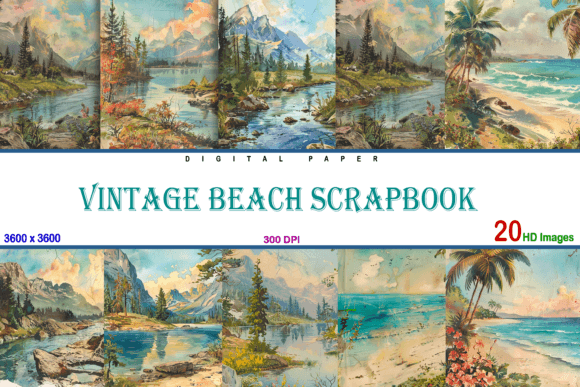
Vintage Beach Scrapbook: Practical Applications for Memory Keeping and Creative Projects
A vintage beach scrapbook is more than just a collection of old photographs; it is a curated narrative tool that bridges the gap between historical nostalgia and modern storytelling. For creators, educators, and families alike, this specific aesthetic serves as a tangible anchor to coastal history, personal lineage, and artistic expression. Unlike generic photo albums, a vintage beach scrapbook relies on specific textural elements—sepia tones, distressed paper, handwritten captions, and ephemera like ticket stubs or pressed shells—to evoke a sensory experience. Understanding how to leverage this format requires moving beyond simple assembly and looking at strategic application across personal, professional, and educational landscapes.
Preserving Family Lineage and Intergenerational Stories
For adults managing family archives, the primary challenge is often engagement. Younger generations may scroll past digitized photos on a cloud drive, but a physical vintage beach scrapbook demands interaction. This format works best when you are trying to contextualize ancestors within their environment rather than presenting them as static portraits.
Consider a scenario where you have inherited a box of unlabelled black-and-white photos from a 1950s seaside vacation. Placing these in a standard plastic sleeve protects them but strips away context. By integrating them into a vintage-styled layout with period-accurate maps, postcards from the same era, and transcribed oral histories, you transform isolated images into a cohesive story. This approach is particularly effective for genealogy enthusiasts who want to create heirlooms that serve as conversation starters during family gatherings. The tactile nature of the scrapbook encourages elders to share memories they might otherwise forget, turning the creation process itself into an act of preservation.
Practical Considerations for Archival Safety
Before starting a heritage project, distinguish between the vintage aesthetic and actual antique materials. Using genuine acidic paper or adhesives from decades past will damage original photographs. Successful vintage beach scrapbooking involves using acid-free, lignin-free papers that mimic the look of aged stationery without compromising archival integrity. Always use photo corners or archival tape rather than glue directly on original prints. If the goal is longevity, the "vintage" aspect should be a stylistic overlay applied to modern, conservation-grade supplies.
Educational Tools for History and Geography
Educators and homeschoolers frequently seek resources that make abstract historical concepts concrete. A vintage beach scrapbook serves as an exceptional pedagogical device for teaching social studies, geography, and environmental science. Coastal regions have unique histories involving trade, migration, tourism, and ecology that textbooks often gloss over.
- Social History: Students can analyze fashion, gender roles, and class structures by examining beach attire and leisure activities from different decades.
- Environmental Change: Comparing vintage shoreline photos with current satellite imagery helps visualize erosion, development, and climate impact.
- Primary Source Analysis: Incorporating replica travel brochures, ferry schedules, and hotel receipts teaches students how to extract data from non-textual historical artifacts.
In this setting, the scrapbook becomes a portfolio of inquiry rather than a mere craft project. Teachers can assign students to build thematic spreads focusing on specific eras, such as the Victorian bathing machine era or the mid-century boardwalk boom. This hands-on approach accommodates diverse learning styles and results in a reusable classroom resource that future cohorts can reference.
Commercial and Brand Storytelling Applications
Small business owners, marketers, and content creators operate in an attention economy where authenticity commands a premium. For brands with coastal ties—boutique hotels, surf shops, seafood restaurants, or travel bloggers—a vintage beach scrapbook offers a distinct visual language that separates them from polished, sterile corporate aesthetics.
A bed and breakfast located in a historic district, for example, might use a digital or physical vintage scrapbook in their lobby or on their website’s "About" page. Instead of listing the year the building was constructed, showing scanned pages of guest books from 1920 alongside photos of the original owners creates an emotional connection with potential guests. It signals that the business respects its roots and offers an experience steeped in local culture.
For digital creators and influencers, this aesthetic translates well to Instagram carousels, Pinterest boards, and blog headers. However, the key to avoiding cliché is specificity. Generic stock photos of seashells feel hollow. Authentic vintage beach content features real locations, identifiable landmarks, and imperfect compositions. Marketers should source public domain images from local libraries or historical societies to ground their campaigns in reality. When audiences recognize a specific pier or beach pavilion, trust increases because the content feels researched and genuine rather than algorithmically generated.
Balancing Nostalgia with Modern Accessibility
While the vintage look is appealing, commercial users must ensure it does not hinder usability. If creating a digital version of a vintage beach scrapbook for a website, maintain high contrast for readability. Sepia backgrounds with low-contrast text fail accessibility standards. Use the vintage texture as a border or accent element while keeping body copy clean and legible. The goal is to evoke a mood without sacrificing user experience or SEO performance through poor design choices.
Therapeutic Journaling and Mindful Creativity
Beyond external applications, many adults turn to vintage beach scrapbooking as a form of art therapy or mindfulness practice. In a hyper-connected world, the slow, deliberate process of arranging physical elements provides a necessary cognitive break. The ocean has long been associated with mental restoration, and combining that imagery with the meditative act of crafting amplifies the benefit.
This use case differs from memory keeping because accuracy matters less than emotional resonance. You might combine unrelated images—a lighthouse from Maine, a wave pattern from California, and a poem written in your own hand—to represent a feeling of calm or resilience. Freelancers and entrepreneurs facing burnout often find that this non-linear creative outlet recharges their problem-solving faculties. There is no deadline, no client feedback, and no metric for success other than personal satisfaction.
Selecting Resources and Managing Expectations
Whether you are buying a pre-made kit, downloading digital assets, or sourcing materials independently, vetting quality is essential. The market is saturated with low-effort products labeled "vintage" that lack depth. Before investing time or money, evaluate resources against these practical criteria:
- Resolution and Print Quality: For physical projects, ensure digital downloads are at least 300 DPI. Pixelated textures ruin the illusion of age and make the final product look amateurish.
- Licensing Clarity: Commercial users must verify that vintage elements are truly public domain or properly licensed. Just because an image looks old does not mean it is free to use in advertising. Check copyright renewals and attribution requirements.
- Cohesive Design Language: Avoid kits that mix incompatible eras. Art Nouveau borders clash with 1970s groovy typography. Select resources that reflect a consistent time period or region to maintain narrative believability.
- Customizability: The best vintage beach scrapbook templates allow for easy modification. Pre-filled journaling lines or fixed photo placements limit creativity. Look for layered files (PSD, TIFF) or modular physical kits that let you rearrange elements.
Ultimately, the value of a vintage beach scrapbook lies in its ability to slow down the consumption of images. Whether used to teach a child about their great-grandparents’ summers, to differentiate a coastal brand in a crowded market, or to process personal emotions through art, it functions as a vessel for meaning. Success comes not from perfectly replicating the past, but from thoughtfully curating elements that resonate with your specific audience and intent. By focusing on authentic details and appropriate materials, you ensure the final creation serves its purpose effectively, whether that purpose is education, commerce, or connection.